


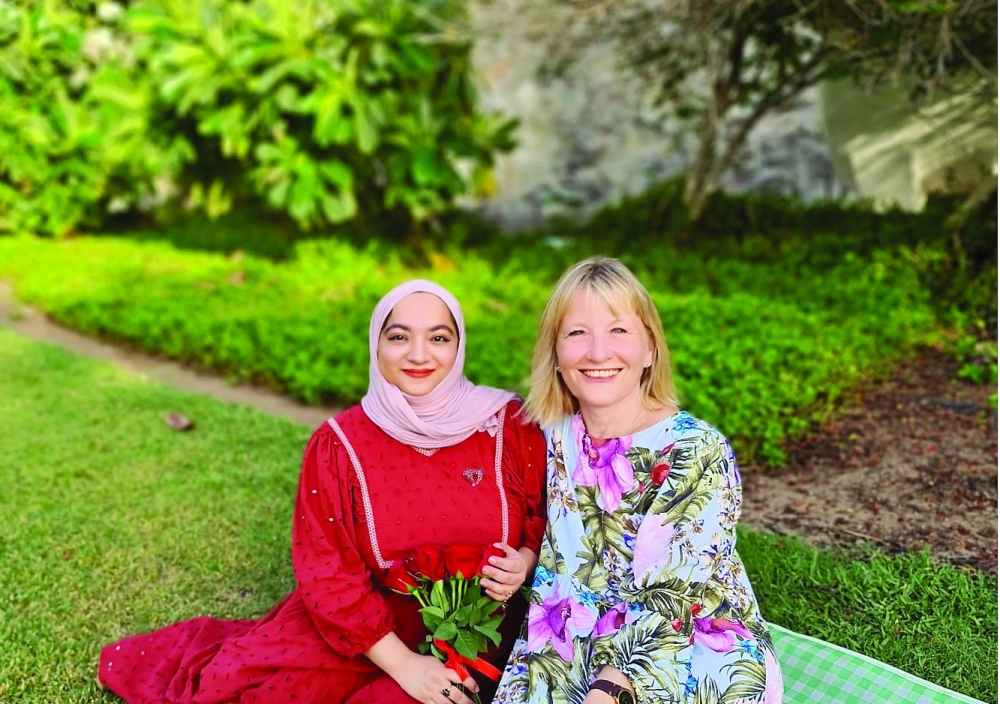





For Omani multilingual poet Lubna al Balushi, poetry is not confined by geography or language. Writing in Arabic, English, German and Balochi, the poet is increasingly finding international resonance through her English-language poetry project, A Room with a Heart View.
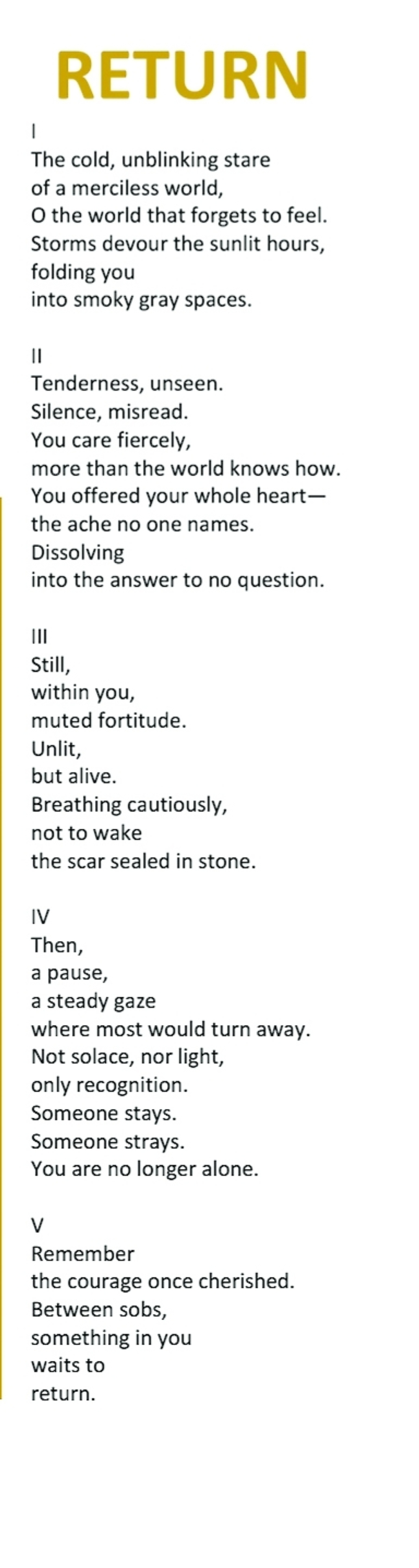
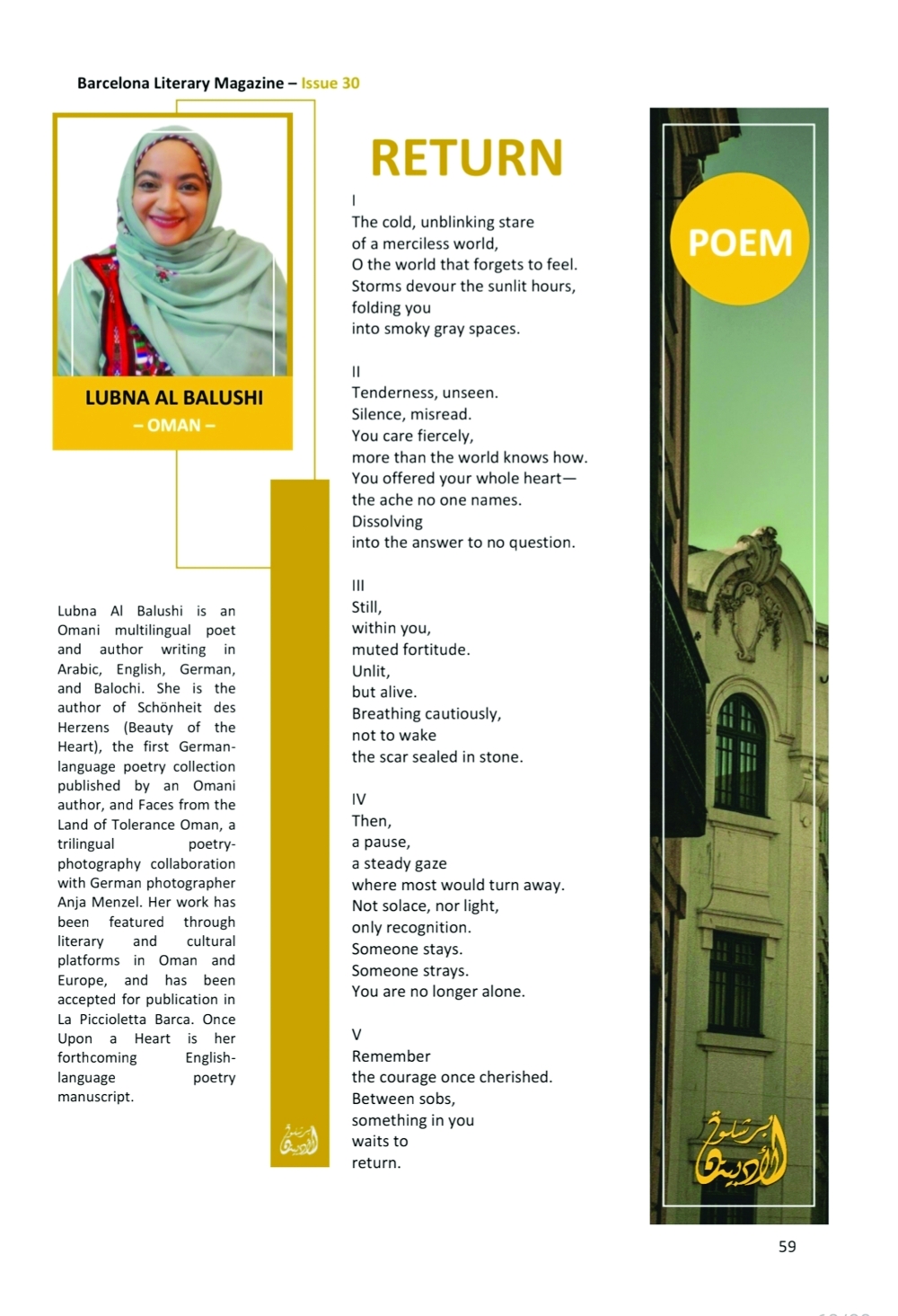
Her poem Return, part of the ongoing project, was recently published in Barcelona Literary Magazine (Issue 30), Spain, marking another international milestone for the Omani author whose work explores memory, humanity, and emotional connection.
A second poem from the project is scheduled for publication in July, while another has been accepted by the literary platform La Piccioletta Barca. Her Arabic short story Room with a Heart View has also been included in Returning to Andalusia Through Storytelling, an international anthology under the Writers of the World initiative.
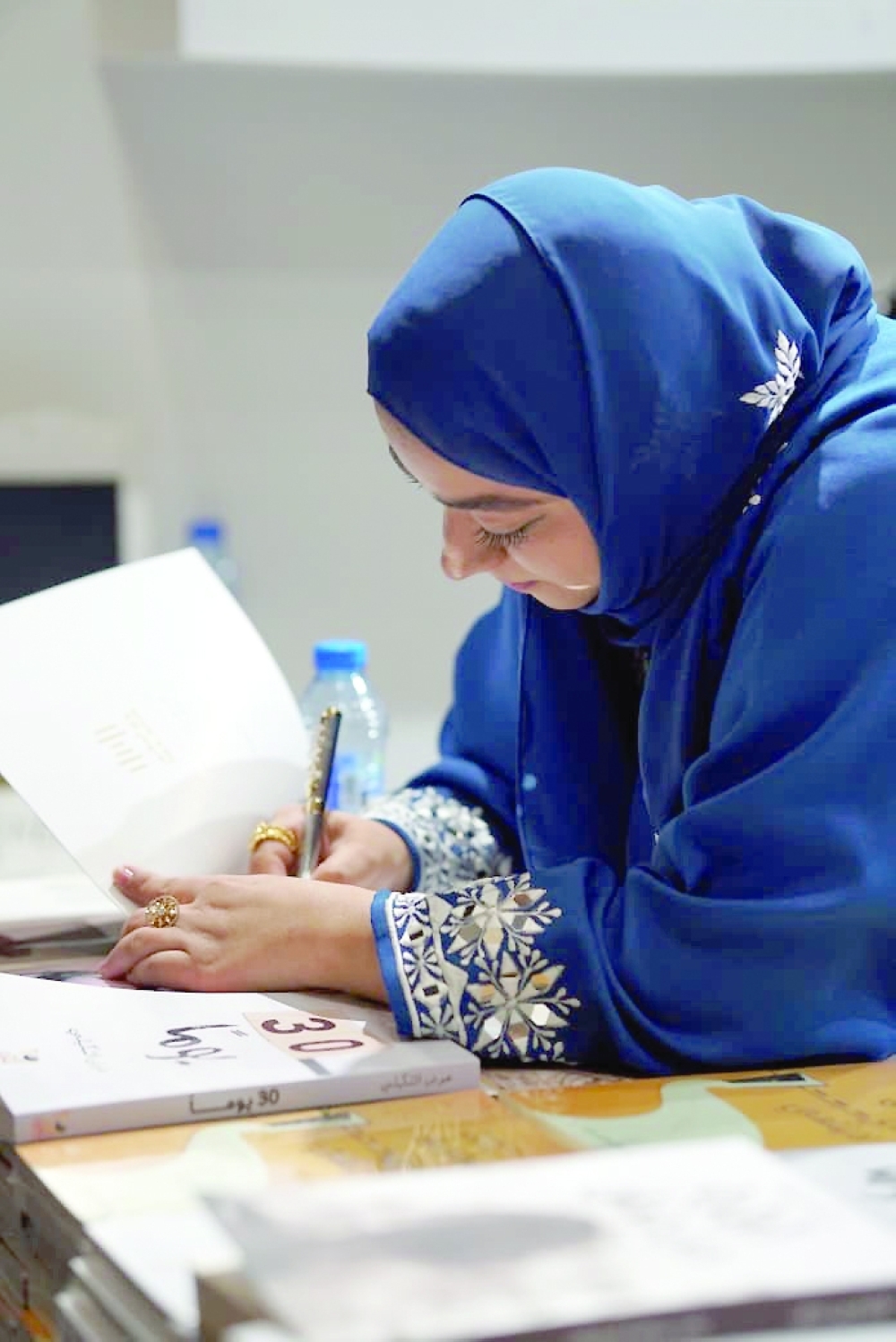
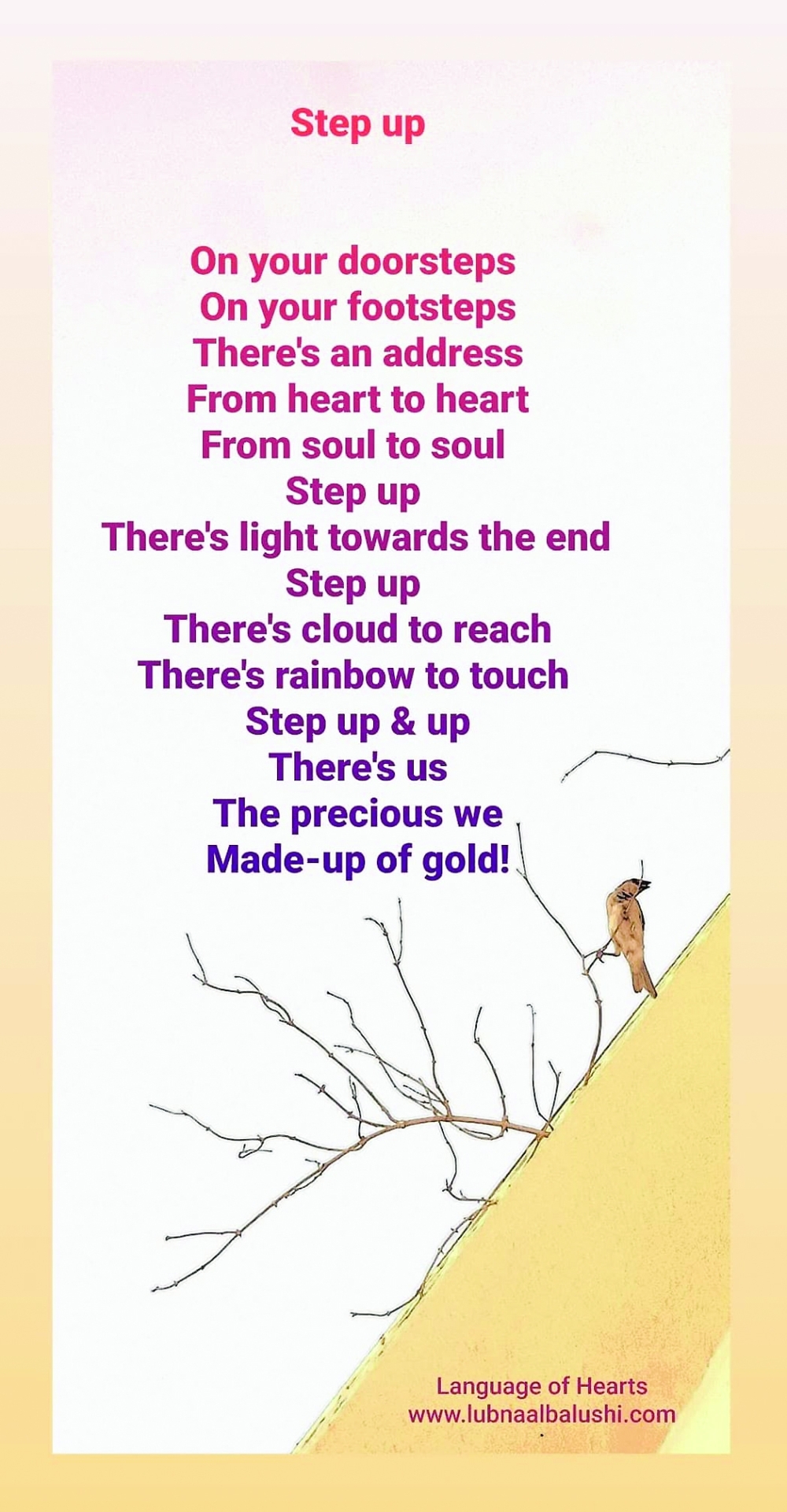
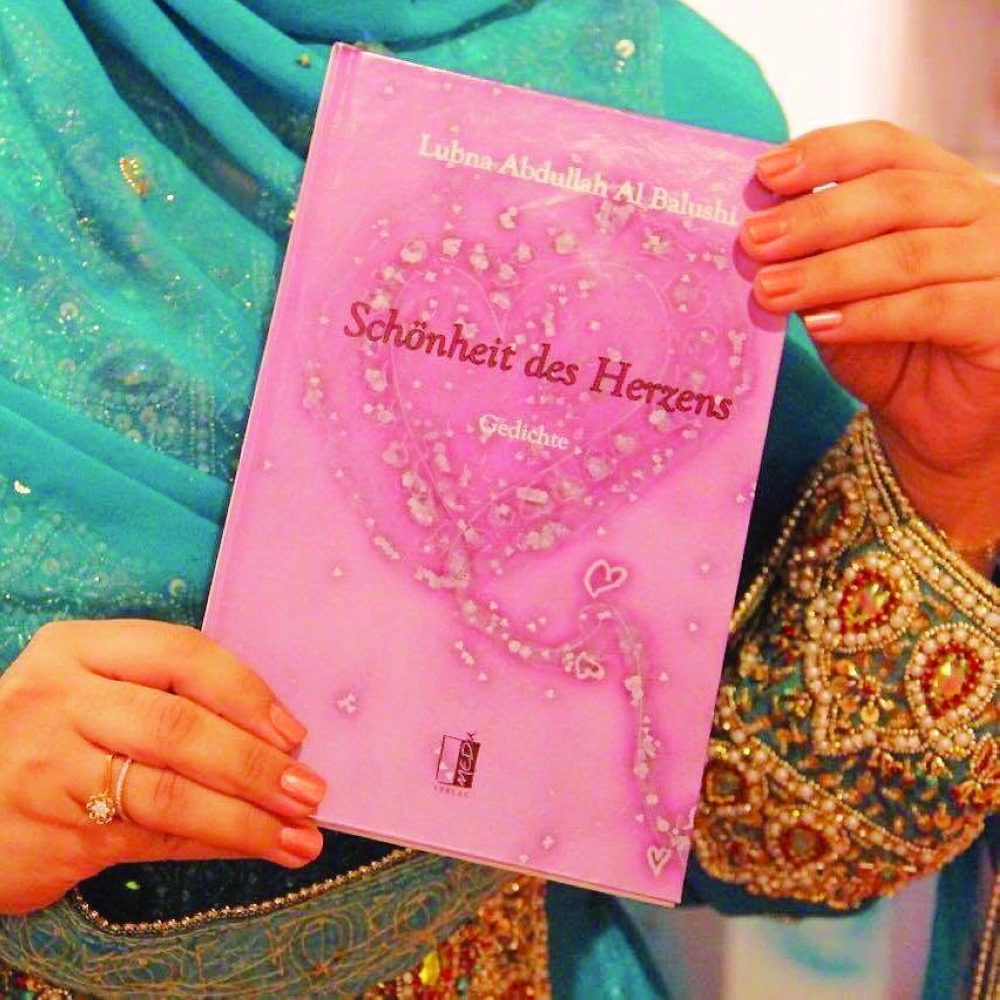
Lubna, author of Schönheit des Herzens (Beauty of the Heart) - the first German-language poetry collection by an Omani author - believes poetry still carries the power to connect people across borders.
She also participated in the Sultan Qaboos Cultural Center’s virtual Poetry and Prose programme in Washington, DC and the recorded event is expected to be published on YouTube.
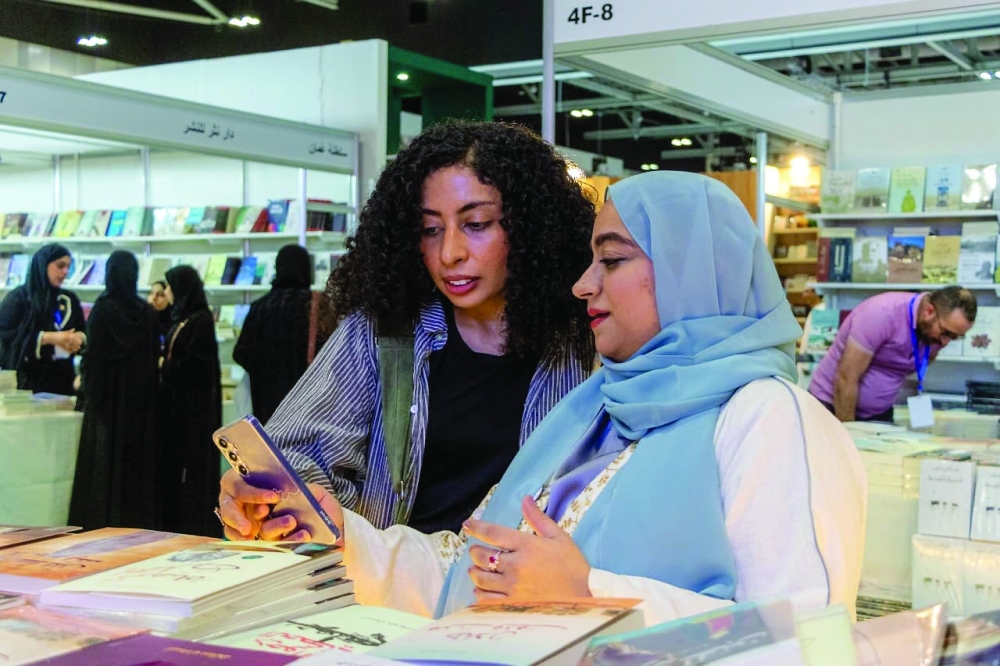
Swiss journalist Helene Aecherli, who has known the poet for over a decade, says Lubna possesses “a rare talent for describing deep feelings in a beautifully light way,” allowing readers to connect emotionally across cultures.
Arwa al Hamdi, Omani Trainer, similarly describes her work as “deeply human and universally relatable,” praising her ability to combine lyrical beauty with emotional insight.
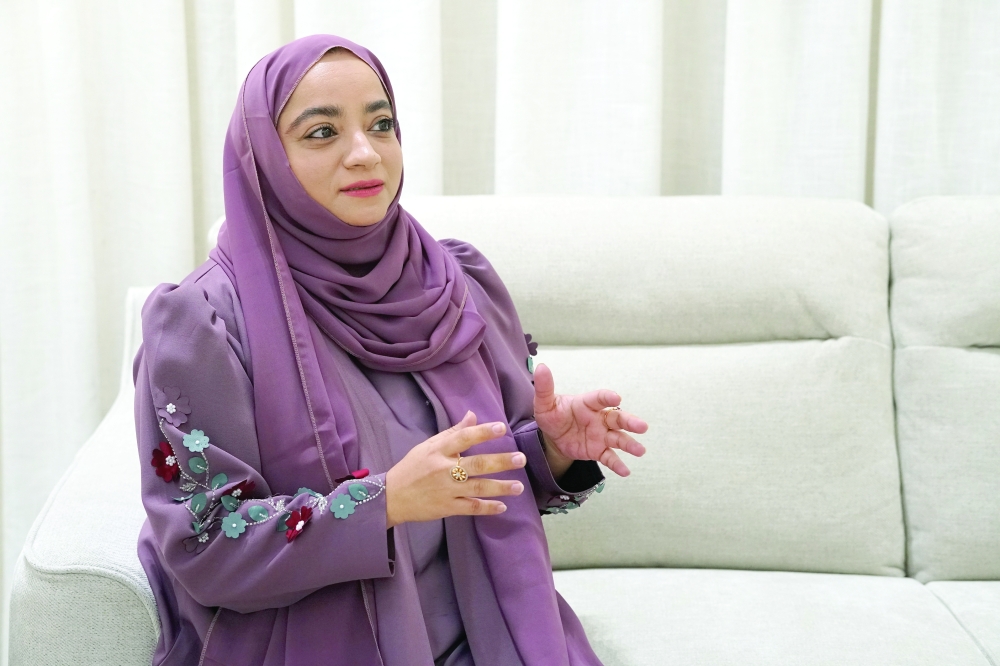
In an interview, Lubna reflected on her literary journey, multilingual voice and the inspiration behind A Room with a Heart View.
Q: Your poem Return has gained international attention. How do you view this recognition?
A: I am grateful to see my work reaching readers through international literary platforms. More than recognition, it is meaningful to contribute to conversations that cross cultures and languages. It encourages me to continue exploring themes of compassion, resilience and human connection.
Q: What inspired A Room with a Heart View?
A: The idea grew from a line in my poem Window from my forthcoming collection Once Upon a Heart. Over time, it evolved into a project exploring emotional landscapes, memory and inner perception. A “heart view” invites us to look beyond surfaces and reconnect with what makes us human.
Q: How has writing in four languages shaped your voice?
A: Each language carries its own rhythm and emotional texture. Writing across Arabic, English, German and Balochi has expanded the way I understand and express emotions. It has also reinforced my belief that, despite linguistic differences, our deepest feelings are often shared.
Q: How has Oman influenced your writing?
A: Oman has shaped me profoundly through its storytelling traditions, cultural diversity and hospitality. The country’s landscapes and rhythms of life quietly influence my writing and deepen my interest in memory, belonging and human connection.
Q: What do you hope readers take away from A Room with a Heart View?
A: I hope readers find reflection and emotional clarity. We live in a fast-moving world, and poetry can create moments to pause, reconnect and see familiar experiences differently.
Q: What comes next in your literary journey?
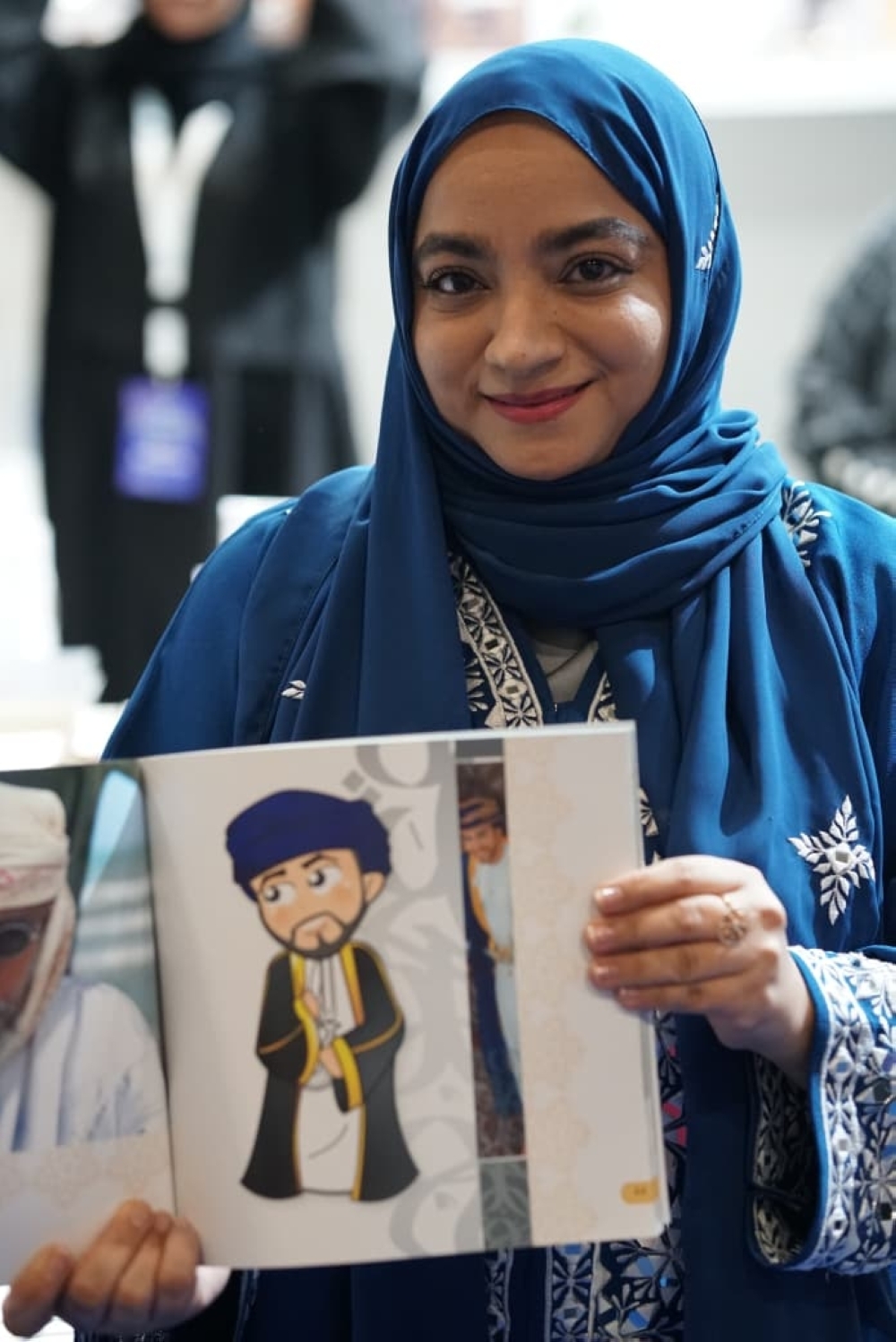
A: I am continuing to develop A Room with a Heart View while preparing Once Upon a Heart, my forthcoming poetry collection. I am also working on Lulwa and the Heart of Pomegranate, a children’s story rooted in Omani landscapes and traditions, alongside expanding my Poetry Tour initiative.
For Lubna, literature remains more than personal expression. As her work reaches wider audiences, she continues to see poetry as a bridge - connecting languages, cultures and shared human experiences through the quiet power of words.
Oman Observer is now on the WhatsApp channel. Click here


